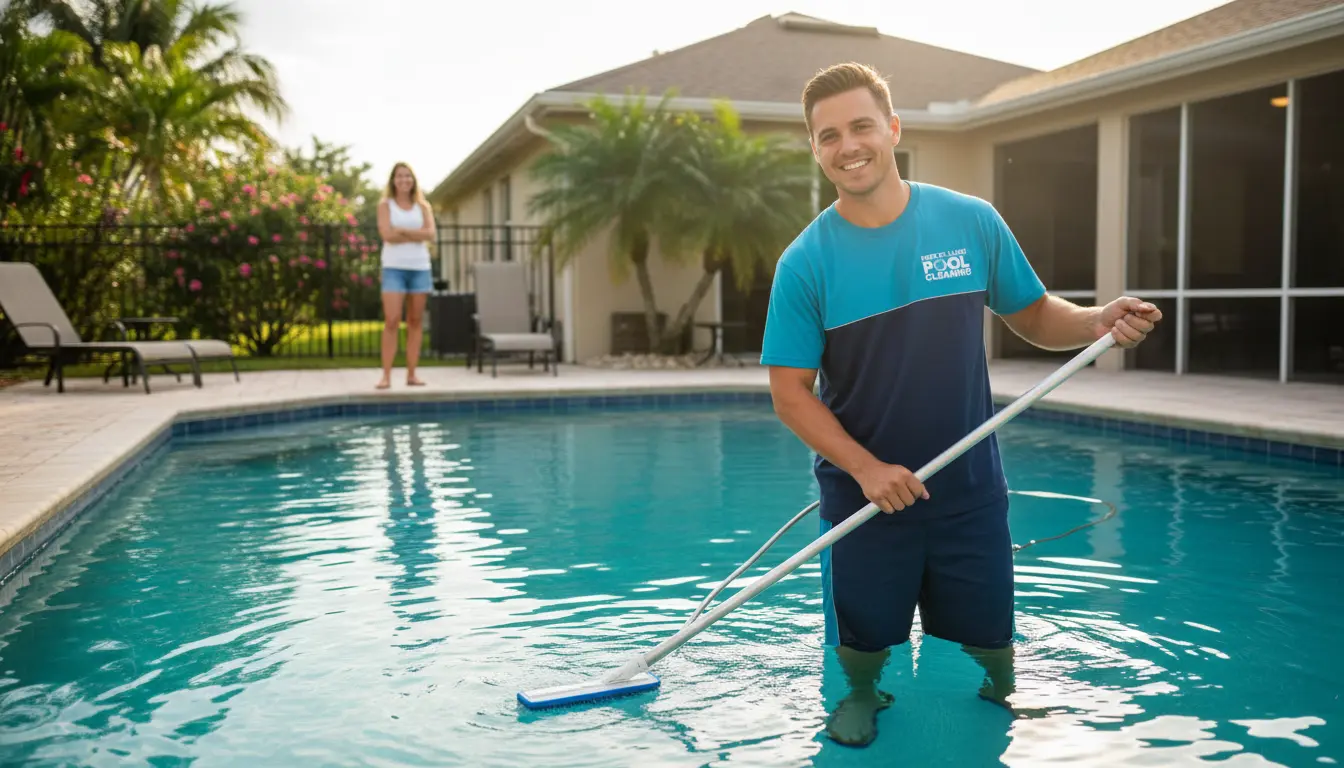
Defining the optimal frequency for pool cleaning is crucial in maintaining the health, safety, and aesthetic appeal of swimming pools, particularly in regions like St Lucie West where the subtropical climate can significantly impact water chemistry. Weekly vs bi-weekly pool cleaning schedules are two of the most commonly debated topics among pool owners and maintenance professionals. Understanding the differences between these schedules and their implications on pool health is essential for making informed decisions. It’s also important to distinguish between routine cleaning and deeper maintenance tasks such as filter cleaning or acid wash cleaning, which may be necessary at different intervals.
The primary factor influencing the choice between weekly and bi-weekly cleaning is the pool’s usage and environmental conditions. Pools in St Lucie West, exposed to heavy sunlight and potential debris from surrounding vegetation, may require more frequent cleaning to prevent algae growth and maintain water clarity. Moreover, the presence of a screen enclosure can affect the amount of debris entering the pool, thereby influencing the cleaning schedule. For instance, pools with screen enclosures might require less frequent cleaning compared to those without, depending on the enclosure’s effectiveness and maintenance.
Professional pool maintenance services, such as those offered by St Lucie West pool cleaning companies, play a critical role in ensuring pools are properly cared for. These services not only include routine cleaning but also encompass water testing, chemical balancing, and equipment maintenance, all of which are vital for the longevity and safety of the pool. By understanding the specific needs of a pool and tailoring the maintenance schedule accordingly, pool owners can enjoy a clean, safe, and functional swimming environment throughout the year.
Technical Process of Pool Cleaning
The technical process of pool cleaning involves a series of detailed steps designed to ensure the pool water remains clean, clear, and safe for swimming. This process typically begins with comprehensive water testing to determine the current chemical balance of the pool, including pH levels, free chlorine, total alkalinity, and cyanuric acid levels. Based on these test results, adjustments are made to achieve the ideal balance, which is crucial for the effectiveness of the chlorine and the comfort and safety of swimmers.
Following water testing, the pool is skimmed to remove floating debris, and the walls and floor are brushed to dislodge any dirt or algae that may have formed. Vacuuming is then performed to remove dirt and debris from the pool floor. The filter is also backwashed or cleaned according to the manufacturer’s instructions to ensure it continues to operate efficiently. Finally, precise chemical dosing is applied to maintain the optimal chemical balance, considering factors such as the Langelier Saturation Index to prevent scaling or corrosion.
Data Comparison
When comparing the effectiveness of weekly vs bi-weekly pool cleaning, several factors must be considered, including chemical accuracy, time investment, and long-term equipment health. The decision between these schedules should be based on the specific needs of the pool, taking into account its usage, size, and environmental conditions.
| Feature/Metric | Weekly Cleaning | Bi-Weekly Cleaning |
|—————-|————|————|
| Chemical Accuracy | High | Moderate |
| Time Investment | Higher | Lower |
| Long-term Equipment Health | Better | Good |
Source: PHTA Recreational Water Quality Guide
Expert Insights
Advanced professional tips for pool maintenance include the importance of balancing cyanuric acid levels to prevent chlorine lock and ensuring optimal pump run times during summer and winter months. For example, during peak summer months, running the pump for extended periods can help distribute heat and chlorine more evenly, while in winter, shorter run times may be sufficient due to lower temperatures and reduced chlorine demand.
Common mistakes homeowners make include shocking the pool during peak sunlight hours, which can lead to rapid chlorine degradation, and ignoring calcium hardness levels, which can result in plaster etching or equipment corrosion. Regular monitoring and adjustment of these parameters are crucial for maintaining a healthy and long-lasting pool.
Pricing
The cost of pool cleaning and maintenance services can vary widely depending on several factors, including pool size, usage, and the specific services required. Weekly maintenance rates typically range from $100 to $300 per month for a standard residential pool, while bi-weekly services might cost between $50 to $150 per visit. Additional services such as green pool recovery, filter tear-downs, or acid washing are usually priced separately, ranging from $200 to $1,000 or more, depending on the complexity of the task and the equipment involved.
Factors influencing the cost include the pool’s gallons, the presence of a screen enclosure, the severity of existing water issues, and the local vegetation and debris load. For instance, pools surrounded by heavy vegetation may require more frequent cleaning and thus incur higher maintenance costs. Similarly, pools with severe water issues may need specialized treatments, adding to the overall expense.
Safety and Standards
Safety and adherence to industry standards are paramount in pool maintenance. Professionals should hold certifications such as the Certified Pool Operator (CPO) designation from the Pool & Hot Tub Alliance (PHTA), ensuring they are well-versed in safety protocols, chemical handling, and the latest maintenance techniques. The use of EPA-registered sanitizers and proper chemical storage and disposal practices are also critical for preventing recreational water illnesses (RWIs) and ensuring a safe swimming environment.
FAQs
What is the ideal frequency for cleaning my pool in St Lucie West?
The ideal cleaning frequency depends on several factors, including pool usage, size, and environmental conditions. Generally, weekly cleaning is recommended for high-usage pools or those exposed to heavy sunlight and debris, while bi-weekly cleaning may suffice for less used pools or those with screen enclosures. It’s essential to monitor the pool’s condition and adjust the cleaning schedule as needed to maintain optimal water quality and equipment health.
How often should I test my pool water?
Pool water should be tested at least once a week, ideally more frequently during periods of high usage or after heavy rainfall. Testing should include parameters such as pH, free chlorine, total alkalinity, and cyanuric acid levels to ensure the water remains safe and healthy for swimmers.
What are the consequences of not maintaining my pool properly?
Neglecting pool maintenance can lead to a range of issues, including algae growth, equipment damage, and the potential for recreational water illnesses. Improper chemical balance can cause skin and eye irritation, and in severe cases, lead to more serious health problems. Additionally, neglected equipment can result in costly repairs or even require replacement, emphasizing the importance of regular maintenance for the longevity and safety of the pool.
Can I maintain my pool myself, or should I hire a professional?
While it’s possible to maintain a pool oneself, hiring a professional service can provide several benefits, including expertise in water chemistry, access to specialized equipment, and the convenience of having a regular maintenance schedule managed by experienced technicians. For homeowners who lack the time, knowledge, or desire to handle maintenance tasks, professional services can ensure the pool remains safe, clean, and functional throughout the year.
Professional Pool Care in Port St Lucie
For residents of St Lucie West and surrounding areas, partnering with a reputable and experienced pool maintenance company can be the key to enjoying a well-maintained, safe, and inviting swimming pool. By understanding the specific needs of each pool and tailoring maintenance schedules and services accordingly, these professionals can help pool owners navigate the complexities of pool care, from routine cleaning and chemical balancing to equipment maintenance and repair.
In conclusion, the decision between weekly and bi-weekly pool cleaning in St Lucie West neighborhoods should be informed by the pool’s unique conditions and usage patterns. By prioritizing professional maintenance, adhering to safety standards, and staying informed about the best practices in pool care, homeowners can protect their investment, ensure a safe and healthy swimming environment, and enjoy their pool to its fullest potential. For those seeking reliable, high-quality pool maintenance services in Port St Lucie, contacting a local expert can be the first step towards a cleaner, safer, and more enjoyable pool experience.